%20(2)_edited_edited_edited.png)
How to Increase Bone Density: 8 Practical Steps That Actually Work
- Emma Mattison

- Feb 16
- 5 min read
Understanding how to increase bone density is crucial because when bone density declines, bones become fragile, and the risk of osteoporosis and fractures rises quickly.
You already know that. That’s why you’re here.
So let’s get practical.
Before we jump into the steps, here’s the most important big-picture takeaway from this.
Bone density improvement is stimulated by weight on the bones and a certain amount of impact.
Bone isn’t just “structure,” either. Bone is living tissue—it has cells, it adapts, and yes, it can even be considered an organ (weird, but true).
Now, let’s dive into the eight practical steps you can start applying to improve bone density.
What "how to increase bone density" really means
Bone density refers to the amount of bone minerals within your bones. Higher density generally means stronger bones and better resilience against fractures. Lower density means the opposite—and that’s where osteopenia and osteoporosis can enter the picture.
1) Weight-bearing exercise
Weight-bearing exercises are activities where your body is working against gravity while you’re upright.
Examples include:
walking
jogging
dancing
stair climbing
This type of impact can stimulate the bone-forming cells (no, we’re not getting technical today—osteoblasts… bless you).
One key point: walking alone is not enough for most people long-term, especially if your goal is meaningful bone density improvement.
Which leads to step two.
2) Strength training (resistance training)
Strength training isn’t just about building muscle. It matters for bone density because:
Resistance training increases the load placed on your bones
As muscle mass improves, the muscles and tendons apply stronger forces where they attach to bone—another stimulus for bone strengthening
And if the idea of lifting weights makes you nervous, hear me clearly:
You do not have to start in a gym with a ton of equipment.
You can start with:
bodyweight training (perfect for beginners)
resistance bands (yes, they’re a viable option)
light dumbbells when you’re ready
If you want guidance, I offer on-demand programs that range from functional bodyweight training to resistance training and gradually introduce light dumbbells.
3) Vibration training
Vibration training can be a useful tool for improving bone density—especially for people who struggle with impact due to joint pain.
A vibration platform “shakes” your body in a way that can stimulate bone-growth activity and simulate impact similar to jogging or running—without you needing to jog or run.
Important warning (because I’m not here to let you waste money):
The right vibration trainer is key
I strongly discourage the tiny, cheap at-home models that don’t transmit vibration effectively through the body (if it barely gets past your knee, it’s not doing much)
If you want more on this, check out my videos on vibration training.
4) Nutrition (yes, the topic everyone ignores)
Nobody watches my nutrition videos. Give them some love.
A balanced diet really can change your life—and it matters for bone density.
Here’s the bone-health “dynamic duo”:
Calcium
Vitamin D
And here’s the part people mess up:
Calcium requires vitamin D for proper absorption.
So when people overload calcium but ignore vitamin D, they’re missing the point.
And there’s another teammate that matters:
Vitamin K, which works effectively with vitamin D
In other words:
If calcium doesn’t have vitamin D, it doesn’t work well.
If vitamin D doesn’t have vitamin K, it’s also not working optimally.
They need each other.
5) Choosing the right supplements (after you fix the basics)
I put nutrition before supplements for a reason.
Supplements supplement the diet.They do not replace it.
But if you’re struggling to consistently get what you need through food and lifestyle, the top supplements to prioritize for bone health are:
Vitamin D
Calcium
Vitamin K
Yes—same trio again. Because they matter.
A few practical notes:
D3 can be produced via sunlight and converted into usable forms in the body, but many people still need supplementation.
A “not so fun” fact mentioned in the video: many Americans are deficient in vitamin D (and magnesium is commonly low as well).
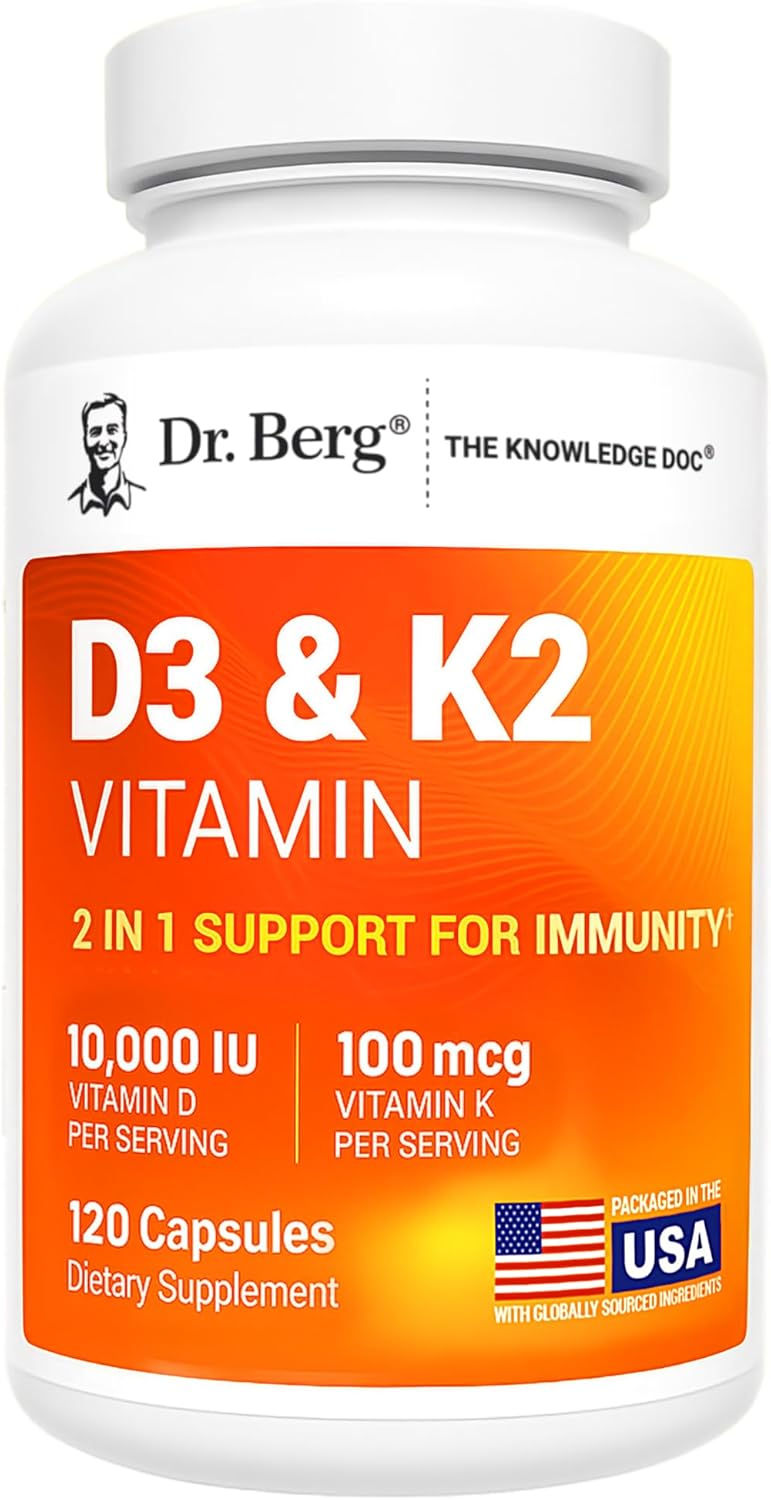
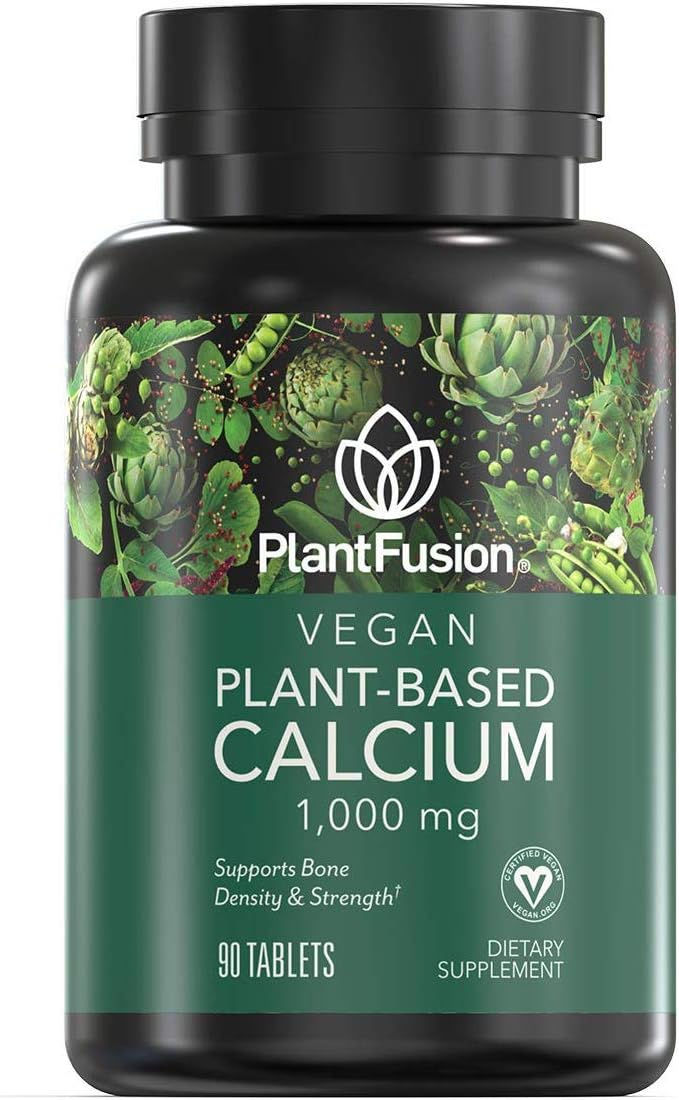
Here are the two product options I personally recommend and use as part of my own routine:
Vitamin D3/K2: Vitamin D3/K2
Vegan Calcium (with D/K combo): Vegan Calcium (D/K combo)
One more truth: dosage matters immensely. Talk with a qualified healthcare professional to determine the right dose for you.
6) Eliminate alcohol and tobacco
This is the part people don’t want to hear.
It’s been found that no amount of alcohol is beneficial for your health, and it can be detrimental, including for bone density. This was referenced in research cited in the video (including 2018 and 2012 sources).
The same goes for tobacco.
Both can negatively impact:
bone density
overall health
long-term resilience as you age
Unpopular? Sure. But I’m just the messenger.
7) Fall prevention (especially if bone density is already low)
For some individuals, bone density is already severely degraded—so improving density is only part of the solution.
Preventing falls is critical for reducing fracture risk.
Research cited in the video (including a 2019 article) found that regular balance training can significantly reduce fall risk in adults over 65.
Another study referenced (2020) highlights practices like tai chi, which can improve balance and reduce fall risk. Tai chi is an ancient Chinese martial art emphasizing:
slow, grounded movement
controlled breathing
body awareness and stability
I also recommend checking out my video with Dr. Janette Mahoney on a fall-risk prevention tool and her test called CatchU.
8) Get regular checkups and scans
Regular checkups are not optional if you care about prevention—especially for:
men over 70
postmenopausal women
Hormone changes can impact both muscle mass and bone density, and regular scans help you understand your current bone health status so you can take the right next steps early—not after an injury forces the issue.
The bottom line
Bone and joint health is a pillar of overall well-being—it’s literally your foundation.
Genetics plays a role, yes. But lifestyle choices can make an enormous difference.
You’re now armed with eight practical steps to improve bone density:
weight-bearing exercise
strength training
vibration training
nutrition
smart supplementation
eliminate alcohol/tobacco
fall prevention
regular checkups
And if you’re looking for more guidance on starting resistance or strength training, walking programs, or aerobic conditioning, I have an on-demand collection available. Take the survey to see if you qualify—if you don’t qualify, it typically means I think you either need one-on-one support or medical clearance first.
As always: your health is an investment, not an expense.
About the Author

Emma Mattison is the founder of Emma Mattison Fitness, where she helps adults 40+ improve strength, mobility, and long-term resilience through functional training and holistic health strategies. Her coaching approach is direct, practical, and evidence-informed—focused on building a body that performs well now and stays capable for decades.
References
Alcohol and health risks discussed (research cited in video: 2012 and 2018 sources)
Balance training and fall risk reduction in adults over 65 (research cited in video: 2019 source)
Tai chi and reduced fall risk / improved balance (research cited in video: 2020 source)
Comments